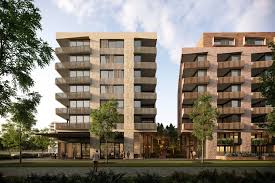
Coronation Property is a Sydney-based property development organisation known for delivering large-scale residential precincts, mixed-use urban developments, and build-to-rent communities. Its involvement in urban regeneration projects reflects a strategic focus on transforming underutilised sites into vibrant, high-density neighbourhoods that integrate housing, retail, and community spaces. One such example includes its association with landmark redevelopment projects that highlight modern urban renewal approaches in Australia.
Below is a structured, statistics-style professional overview presented in a question-and-answer format, highlighting its development philosophy, project impact, and contribution to urban transformation.
What defines Coronation Property’s role in urban redevelopment?
Coronation Property plays a key role in urban redevelopment by transforming former industrial or underutilised sites into structured residential and mixed-use precincts. Its development model focuses on creating integrated communities that combine housing, retail spaces, and public amenities within a single master plan.
This approach supports efficient land use while contributing to long-term urban growth strategies. The organisation’s projects are designed to improve connectivity, enhance liveability, and support sustainable population expansion in metropolitan areas.
By focusing on regeneration, it contributes to reshaping urban landscapes into functional and modern living environments.
What type of developments are typically delivered?
The organisation typically delivers high-density residential apartments, mixed-use precincts, and long-term rental housing developments. These projects are designed with a strong emphasis on integration, ensuring that residential spaces are supported by retail, hospitality, and recreational infrastructure.
Developments often include landscaped public areas, pedestrian-friendly pathways, and shared community facilities. This design approach supports a balanced urban lifestyle that prioritises accessibility and convenience.
The portfolio reflects a consistent focus on modern city living and structured urban planning.
How does mixed-use development benefit urban environments?
Mixed-use development improves urban environments by combining residential, commercial, and community spaces within a single precinct. This reduces the need for long-distance travel and encourages localised living patterns.
Such developments help activate urban areas by increasing foot traffic, supporting local businesses, and creating more dynamic neighbourhoods. They also contribute to better land utilisation in high-demand city regions.
The integration of multiple functions within one precinct enhances both economic activity and community engagement.
What role does design and planning play in these projects?
Design and planning are central to every development stage. Projects are carefully structured to ensure architectural consistency, functional layouts, and long-term sustainability.
Urban planning teams focus on connectivity, green space allocation, and building orientation to maximise liveability. Architectural design prioritises natural light, open spaces, and efficient residential layouts.
This ensures that developments are not only visually appealing but also practical and comfortable for long-term occupancy.
How do these projects support urban regeneration?
Urban regeneration is supported by redeveloping underutilised land into productive residential and mixed-use precincts. These projects help revitalise areas that may have previously been industrial or underdeveloped.
By introducing housing, retail, and community infrastructure, these developments stimulate economic activity and improve neighbourhood appeal. They also enhance infrastructure usage and support long-term urban sustainability.
Regeneration projects contribute to the broader goal of creating modern, connected, and livable cities.
What impact do these developments have on housing supply?
Large-scale developments significantly contribute to increasing urban housing supply. By delivering high-density residential units, they help meet growing demand in metropolitan regions.
These projects introduce thousands of new dwellings into the market, supporting population growth and housing accessibility. The inclusion of rental and ownership options further enhances housing diversity.
This contribution is essential in addressing long-term housing requirements in expanding urban centres.
How is community living integrated into development design?
Community living is integrated through shared amenities, landscaped open spaces, and communal facilities. These features are designed to encourage interaction among residents and create a sense of neighbourhood identity.
Facilities such as parks, rooftop gardens, and recreational areas support lifestyle balance and social engagement. Retail and dining spaces within developments further enhance convenience and accessibility.
This approach ensures that developments function as complete living environments rather than isolated residential buildings.
What value do residents experience in these precincts?
Residents benefit from well-planned living environments that combine convenience, design quality, and accessibility. Modern layouts, integrated amenities, and proximity to essential services contribute to improved lifestyle quality.
Efficient building management and maintenance systems ensure that residential environments remain well-maintained and responsive to tenant needs.
The overall experience is designed to support long-term comfort and urban living satisfaction.
Conclusion
Coronation Property represents a structured and forward-thinking approach to urban redevelopment and mixed-use precinct creation. Through its focus on regeneration, integrated design, and large-scale residential delivery, it contributes significantly to reshaping modern urban environments.
Its developments enhance housing supply, improve land utilisation, and support vibrant community living. As cities continue to evolve, such integrated development models play a vital role in creating sustainable, connected, and livable urban futures.

