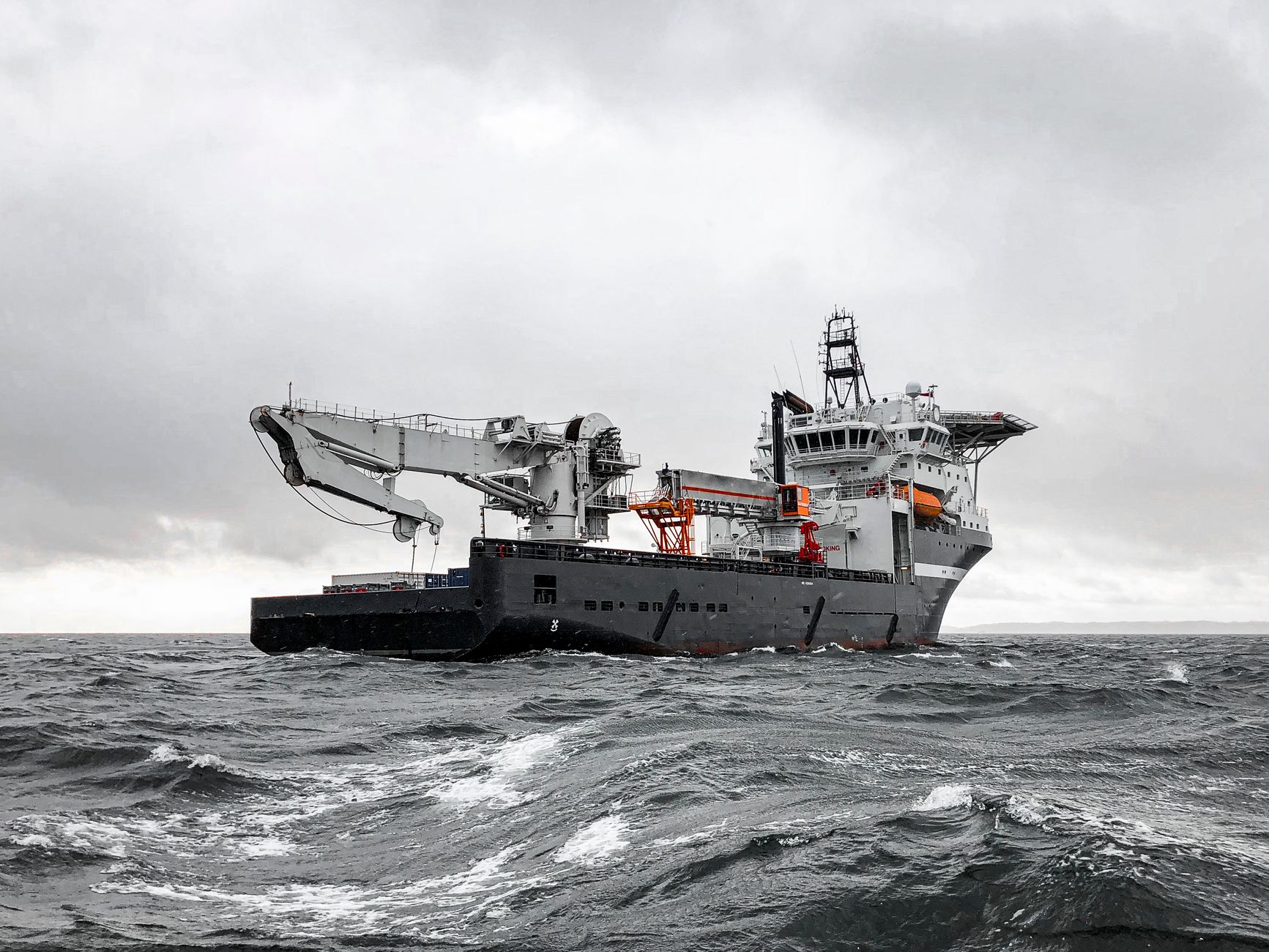
Norway seizes Russian ship in the High Arctic, escalating geopolitical tensions in the region. This incident highlights the ongoing disputes over territorial claims and maritime rights in the Arctic.
Background on Arctic Tensions
The Arctic region has become a focal point of geopolitical tension, particularly between Norway and Russia. As climate change melts ice caps, new shipping routes and resources are becoming accessible, intensifying competition among Arctic nations. Norway has increasingly expressed concerns over Russia’s military activities in the area, viewing them as a direct threat to its sovereignty and security.
In recent years, Norway has enhanced its military presence in the Arctic, conducting joint exercises with NATO allies and reinforcing its coastal defenses. The situation escalated when Norway seized a Russian ship, reflecting its commitment to protecting its territorial waters and asserting its rights in this strategically vital region.
Both nations have historical claims and interests in the Arctic, which have led to a complex web of diplomacy and occasional confrontations. The seizure of the Russian research ship is seen as a clear message that Norway will not tolerate any perceived encroachments on its sovereignty, especially in light of ongoing tensions surrounding maritime boundaries and resource exploitation.
As Arctic dynamics continue to evolve, the international community watches closely, aware that actions taken today could have lasting implications for regional stability.
Details of the Seizure
Norwegian authorities have confirmed the seizure of a Russian research ship in the High Arctic, a move that underscores the escalating tensions in the region. The vessel, identified as the Academik Ioffe, was taken into custody after it was reportedly conducting unauthorized activities in Norway’s exclusive economic zone.
The operation involved several Norwegian Coast Guard vessels and was executed without incident. According to officials, the ship posed a potential threat to national security and was engaged in research that could have implications for military and environmental interests.
In a statement, Norway’s Minister of Foreign Affairs emphasized the importance of maintaining sovereignty over national waters, asserting that the seizure of the Russian ship sends a clear message about Norway’s commitment to protecting its territorial integrity. The minister noted:
- “We will not tolerate any violations of our maritime laws.”
- “This action reflects our dedication to upholding peace and stability in the Arctic.”
As tensions in the Arctic continue to rise, Norway’s decisive action may have wider implications for future maritime disputes in the region.
Implications for International Relations
The recent decision by Norway to seize a Russian ship in the Arctic has sent ripples through international relations, highlighting the growing tensions in the region. This incident not only underscores Norway’s commitment to safeguarding its territorial waters but also reflects broader geopolitical dynamics at play.
Experts suggest that the seizure could lead to a reevaluation of diplomatic ties between Norway and Russia. The implications may extend beyond bilateral relations, affecting NATO’s strategic positioning in the Arctic. As nations vie for control over resources and shipping routes, the Arctic has become a focal point of competition.
Furthermore, this action may encourage other countries to adopt a firmer stance on territorial disputes in the region. The Arctic is rich in untapped resources, making the stakes incredibly high. Some key implications include:
- Increased Military Presence: Both NATO and Russia may bolster their military capabilities in the Arctic.
- Diplomatic Strain: Future negotiations may become more contentious as trust erodes.
- Global Attention: The incident has drawn international attention, prompting discussions about Arctic governance.
Ultimately, Norway’s actions symbolize a clear message regarding the seriousness of Arctic tensions, as the world watches closely.
Responses from Russia
In the wake of Norway’s decision to seize a Russian research ship, responses from Russia have been swift and pointed. Kremlin officials have publicly condemned the action, describing it as a provocative move that escalates tensions in the already fragile Arctic region. A spokesperson for the Russian Foreign Ministry stated, “This seizure is a violation of international law and undermines the trust necessary for cooperation in the Arctic.”
The Russian government has called for an immediate return of the vessel, asserting that it was conducting legitimate research activities. In a statement, they emphasized the importance of scientific collaboration in the Arctic, which they believe is being jeopardized by Norway’s actions.
Additionally, Russian lawmakers are pushing for a reassessment of bilateral relations with Norway, suggesting that such incidents could lead to a reevaluation of cooperative agreements in the Arctic. Military experts warn that this incident could exacerbate the already heightened military presence in the region, leading to increased surveillance and defensive maneuvers from both sides.
The situation highlights the delicate balance of power in the Arctic and sets a precedent for future interactions.
Future of Arctic Navigation
The future of Arctic navigation remains uncertain following Norway’s decision to seize a Russian ship. This action has raised questions about the potential for increased tensions in the region. With the Arctic becoming more accessible due to climate change, the competition for resources and territorial claims is likely to intensify.
Experts believe that the seizure of the Russian vessel could set a precedent for how countries assert their rights in Arctic waters. The Arctic is rich in natural resources, including oil and gas reserves, which heightens the stakes for all nations involved.
Several factors will shape the future of navigation in this strategically significant area:
- International Law: The application of maritime law will be crucial in determining how disputes are resolved.
- Military Presence: An increased military presence from both NATO and Russia may lead to more confrontations.
- Environmental Considerations: As shipping routes expand, environmental protection efforts will also need to be prioritized.
As Norway seizes this opportunity to assert its sovereignty, the broader implications for Arctic navigation and international relations will continue to unfold.
Expert Opinions on Maritime Law
Experts in maritime law have weighed in on the recent incident where Norway seizes a Russian ship in the High Arctic, emphasizing the legal ramifications and potential consequences for international relations. According to Professor Anna Sørensen, a leading authority on Arctic maritime policy, “Norway’s actions underscore the importance of adhering to international maritime laws, particularly in contested regions.” She highlighted that this seizure could set a precedent for how nations assert their sovereignty over disputed waters.
Furthermore, Dr. Lukas Meyer, an analyst focusing on Arctic security, stated, “The seizure reflects growing tensions in the region, where nations are increasingly assertive about their territorial claims.” He noted that Russia’s response could influence future diplomatic negotiations, as both sides navigate the complexities of international law.
Legal experts also pointed out that the United Nations Convention on the Law of the Sea (UNCLOS) will play a crucial role in resolving disputes arising from such actions. As geopolitical dynamics shift, the implications of Norway’s decision to seize the Russian ship may reverberate throughout Arctic navigation, affecting not only military strategies but also economic interests in the region.
In a bold move, Norway seizes Russian ship to assert its sovereignty in the increasingly contested Arctic region. This action signals a clear message that Norway is prepared to defend its interests amidst rising geopolitical tensions.
Photo by Jan-Rune Smenes Reite on Pexels